The bottom turn is the first real manoeuvre most surfers learn, and also the one most surfers do poorly for the longest time. Here's the blunt truth: there is no good top turn, snap or cutback without a good bottom turn first. It's the engine that powers everything else on the wave.
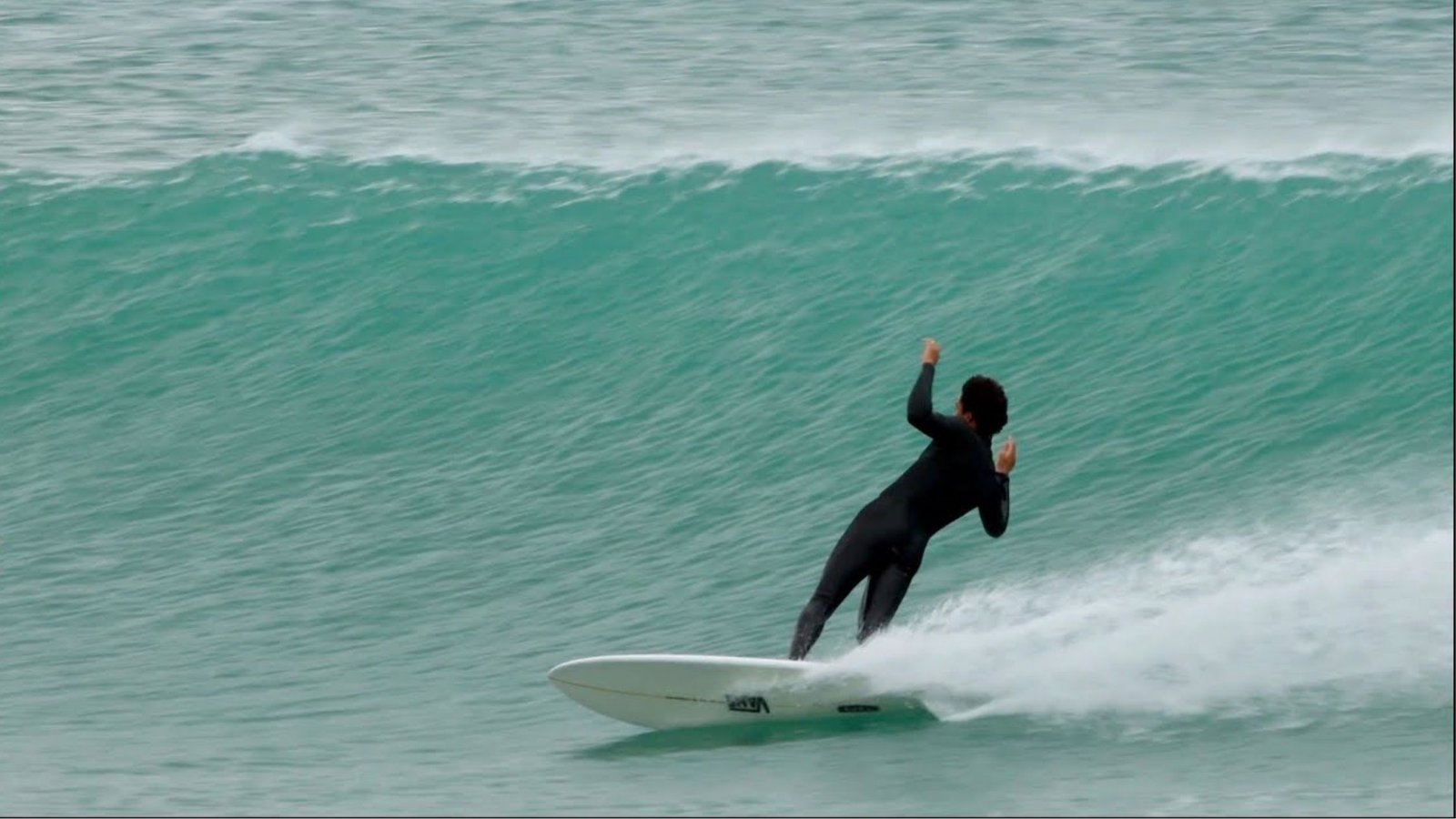
What is it? Simply, it's the turn you make at the bottom of the wave, after you've dropped down the face and before you project back up toward the lip. It converts vertical momentum (dropping down the wave) into horizontal speed and direction. Done well, it gives you speed and sets you up perfectly for whatever comes next. Done poorly, you arrive at the lip too slow, out of position and out of options.
The basics of a forehand bottom turn:
First, take off close to the peak so you have genuine speed. A bottom turn done from a weak, late takeoff has nothing to work with.
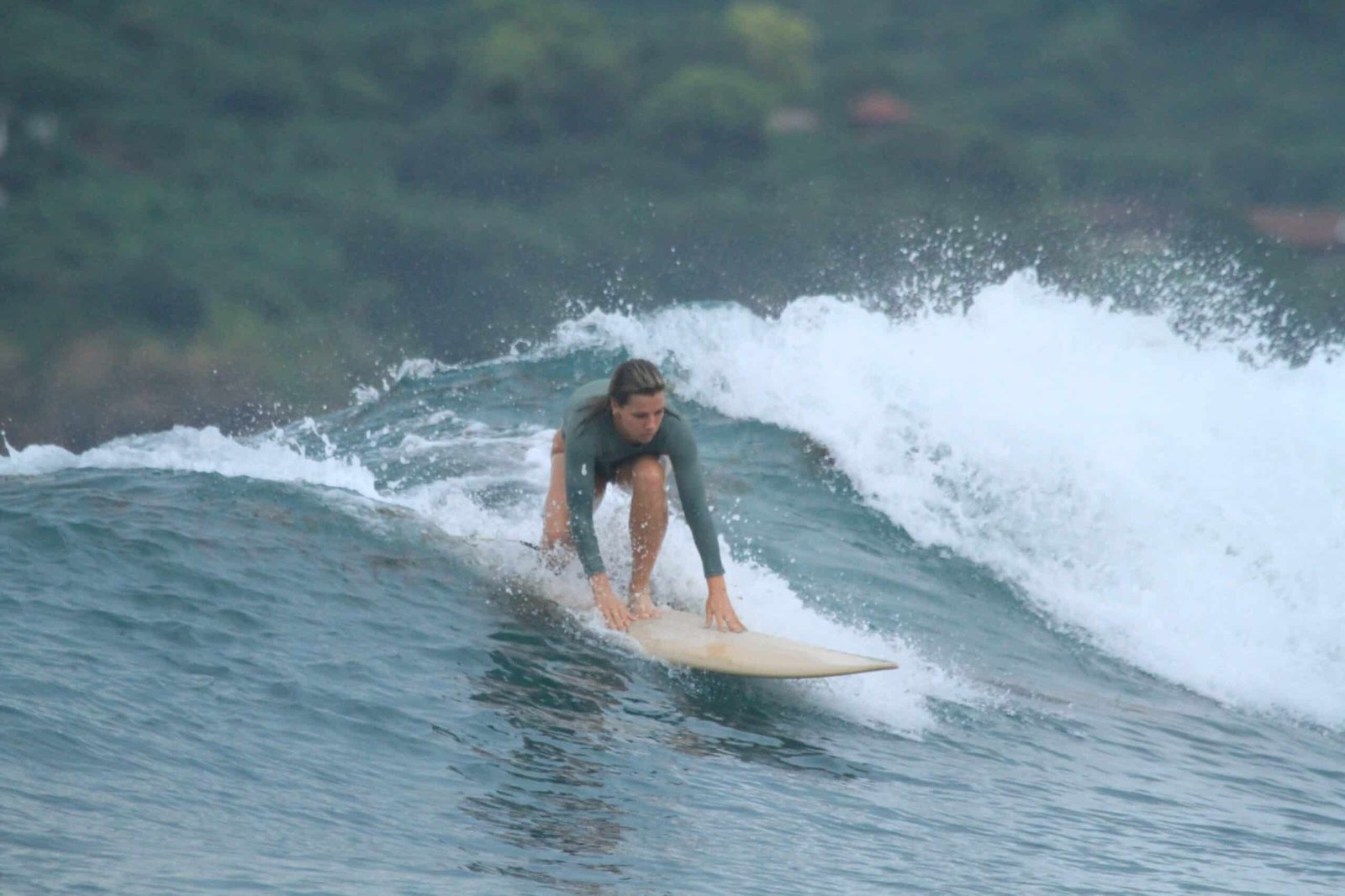
As you drop down the face, compress your knees and keep your weight centred. Don't rush the turn, let yourself get to the bottom of the wave.
Initiate the turn by looking where you want to go. Your head leads, then shoulders, then hips, then board, in that order. If your head isn't pointing at the target, the rest of your body won't follow.
Load weight onto your back foot as you turn. This engages the fins and allows the tail to pivot. Your front foot stays light.
As you come out of the turn and begin projecting up the face, extend your legs to drive up the wave with speed.
Practise this on small, forgiving waves first. Te Arai and Orewa both offer sections ideal for working on bottom turns without the consequence of a heavy lip. The feeling you're after is flowing, not forced, like you're drawing a smooth arc on the face rather than jerking the board around.