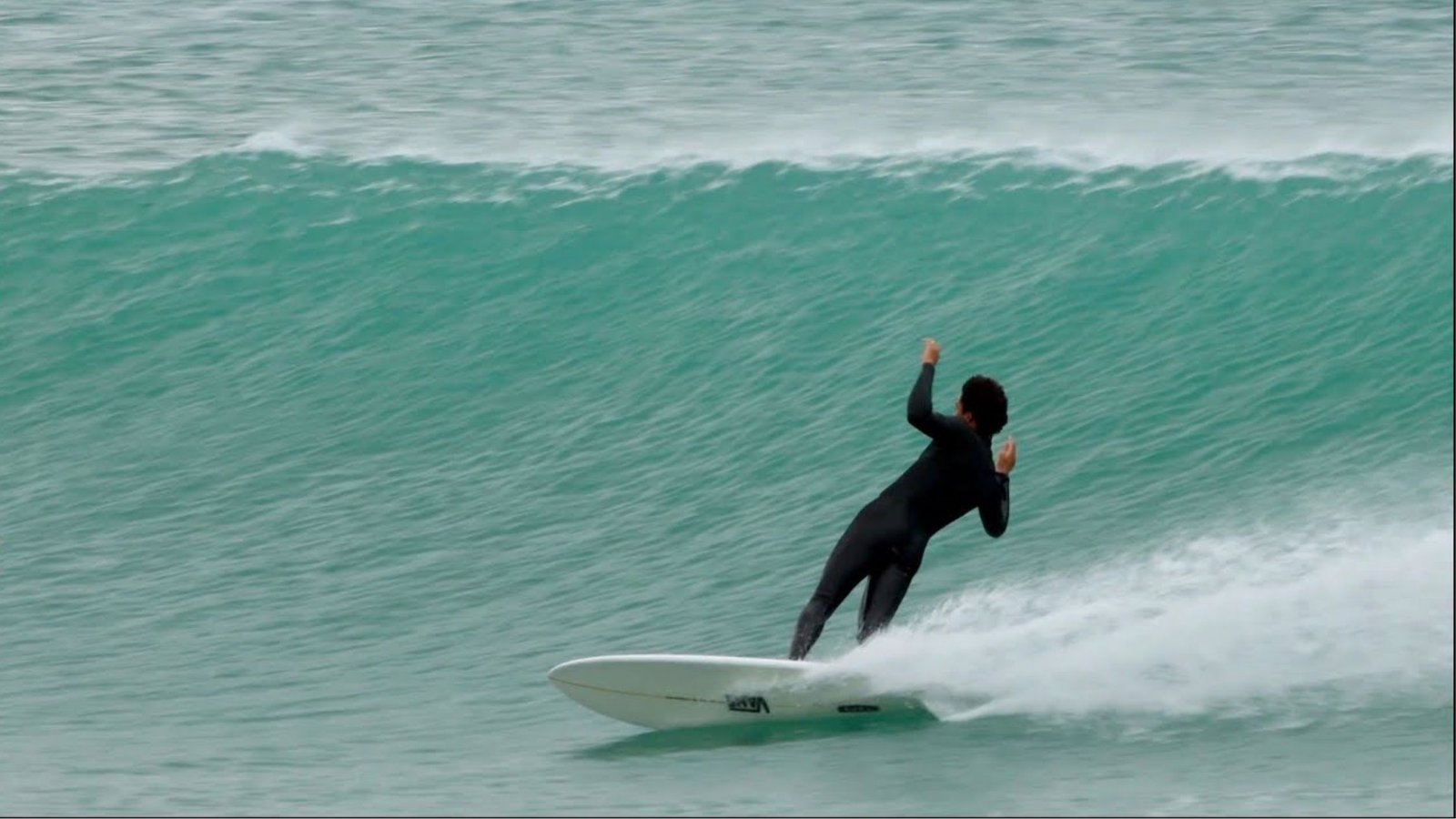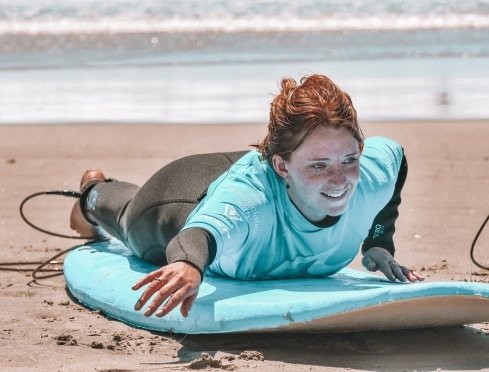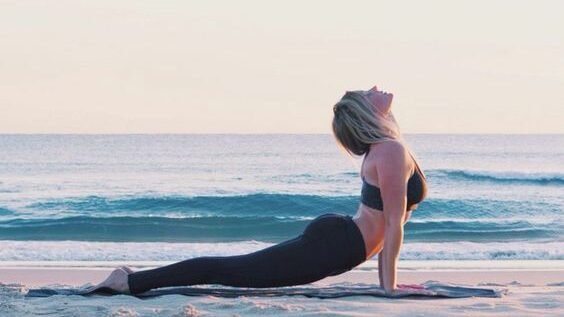
Surfing is physically demanding in ways that are easy to underestimate until you're exhausted after 20 minutes in the water. The paddle out, the pop up, holding your stance through turns, these all draw on specific muscle groups that rarely get trained in normal gym routines.
If you can't surf every day (and most of us in NZ can't), targeted training between sessions keeps those muscles ready and reduces your chance of injury.
1. Pop up drill. On a yoga mat, practise your pop up repeatedly. Five sets of ten, focusing on perfect technique, one explosive movement, eyes up, feet landing in the right position every time. This is the most important thing you can do off the water.
2. Paddling simulation with a resistance band. Anchor a band and replicate the paddling stroke, high elbow entry, pull through to the hip, recover with a relaxed arm. This targets the lats and posterior shoulder, the muscles that tire first in a long paddle.
3. Low lunges with rotation. Surfing requires hip flexibility and rotational power for turns. A deep lunge with a twist opens the hip flexors while building the rotational mobility your turns depend on.
4. Plank variations. Paddling is a sustained core effort. Standard planks, side planks and dynamic plank variations build the stability that keeps you centred on the board.
5. Squat to stand. Simulates the transition from your popped up position to standing tall on a wave. Builds the quad and glute strength you need to hold a compressed stance through turns.
6. Shoulder mobility work. Paddling loads the shoulders heavily. Five minutes of shoulder circles, cross body stretches and thoracic rotations before and after sessions prevents the impingement and soreness that end surf trips early.
Thirty minutes, three times a week. That's enough to make a measurable difference to your wave count and how you feel at the end of a session.