If you live in Auckland and you want to surf somewhere good on the east coast, Mangawhai and Te Arai are the two most likely destinations. They are 15 kilometres apart on the same stretch of coast, but they are different breaks suited to different surfers and different conditions. Knowing which one to pick saves you a long drive in the wrong direction.
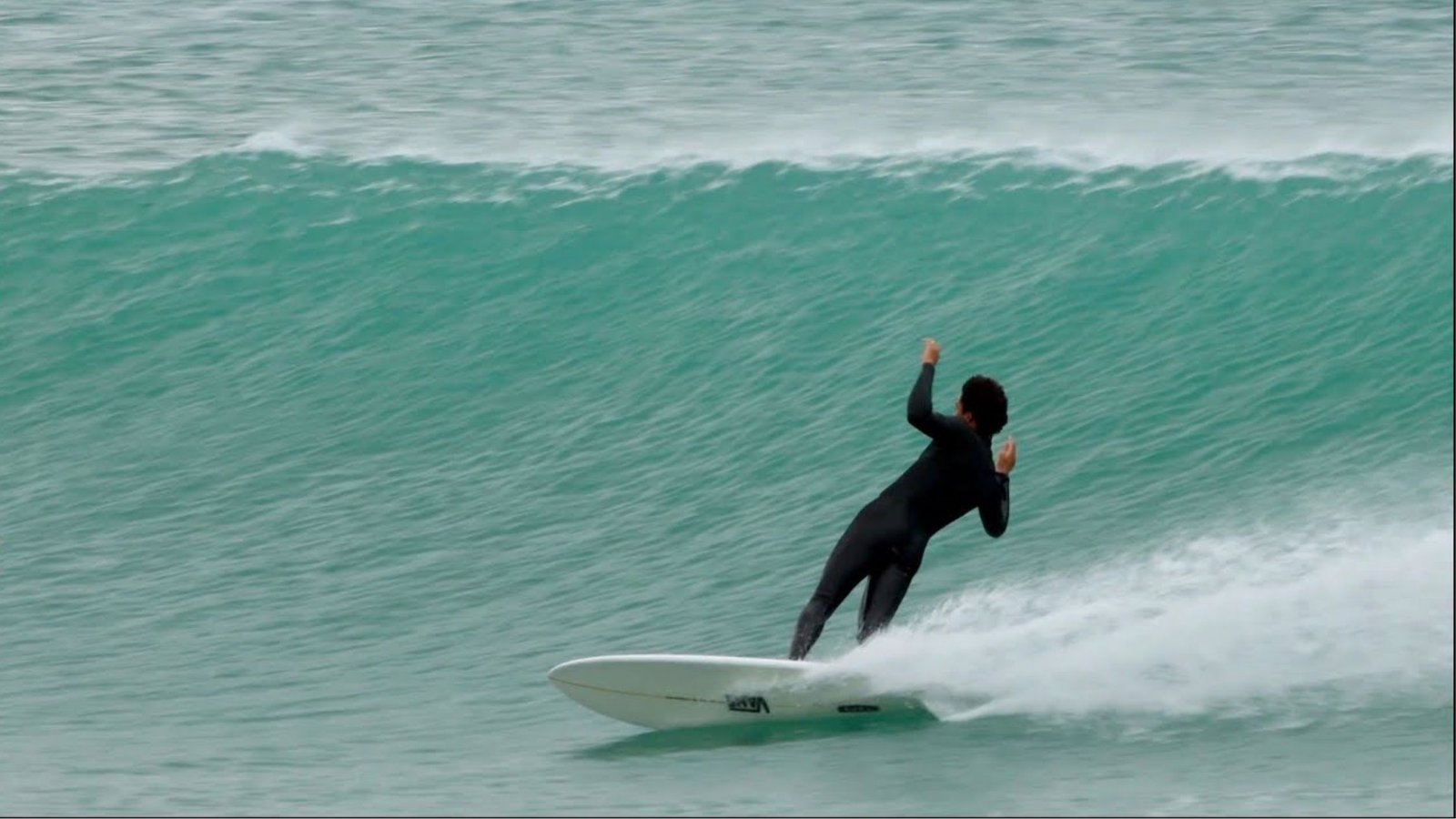
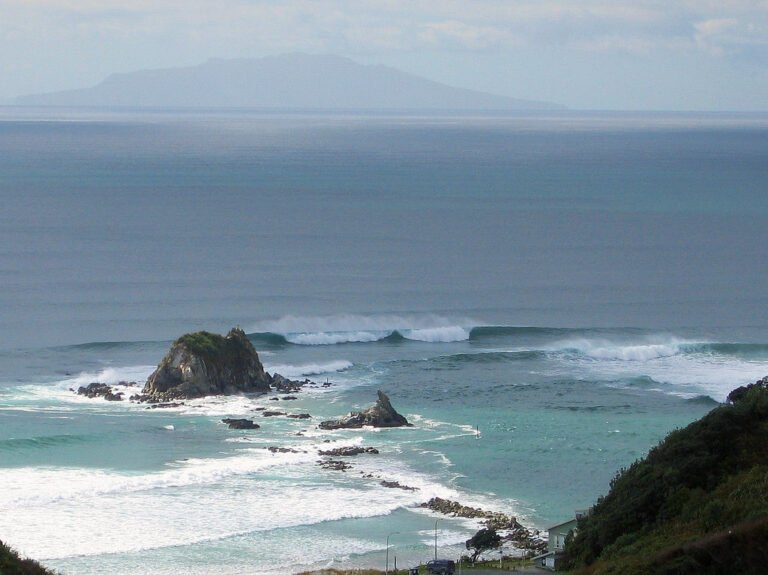
Getting there. Te Arai is an hour north of Auckland CBD. The drive is straightforward: SH1 north, then east at the Te Hana turnoff onto Te Arai Point Road. Mangawhai is another 25 minutes further north, around 85 minutes total from the city, still sealed roads the whole way. If you are coming for the day and your time is tight, Te Arai wins on travel alone. Te Arai is a sand bottom beach break. It is one of the most consistent beginner to intermediate spots in the country. The inside reform is reliable through most of the year, the bottom is forgiving, and the conditions hold up even when the swell is small or the wind is wrong elsewhere. If you are learning, or building confidence, or wanting a session that will probably happen regardless of how perfect the forecast looks, Te Arai is the right call. Mangawhai is three different breaks in one location. The river bar at the mouth of the Mangawhai Estuary is the famous one. When the sandbar lines up, it produces fast, hollow lefts and short barrelling rights that are some of the best waves in Northland. It is also fickle. The bank rearranges itself every season, sometimes within a single big swell, and what was world class last month can be unsurfable today. The bar is intermediate to advanced territory: long paddle, strong rips, rocks in the lineup at the Heads, and waves that demand commitment.North of the bar, Mangawhai Beach has multiple peaks across a long stretch of sand. This is the more forgiving option. On a clean 1 to 1.5m NE swell, the beach peaks here are genuinely as good as anything on the east coast, and most visitors miss them entirely because they paddle straight out at the bar.
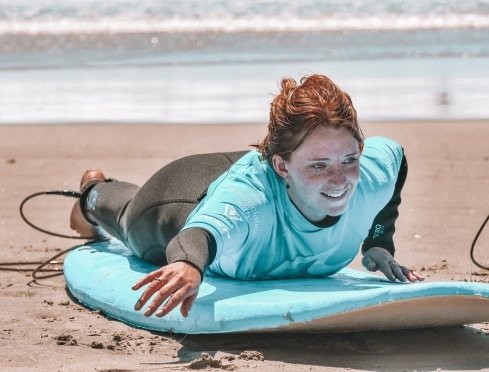
The choice, simplified.If you are a beginner: Te Arai. The inside reform is the wave to learn on, the bottom is sand, and our lesson programs run there year round.
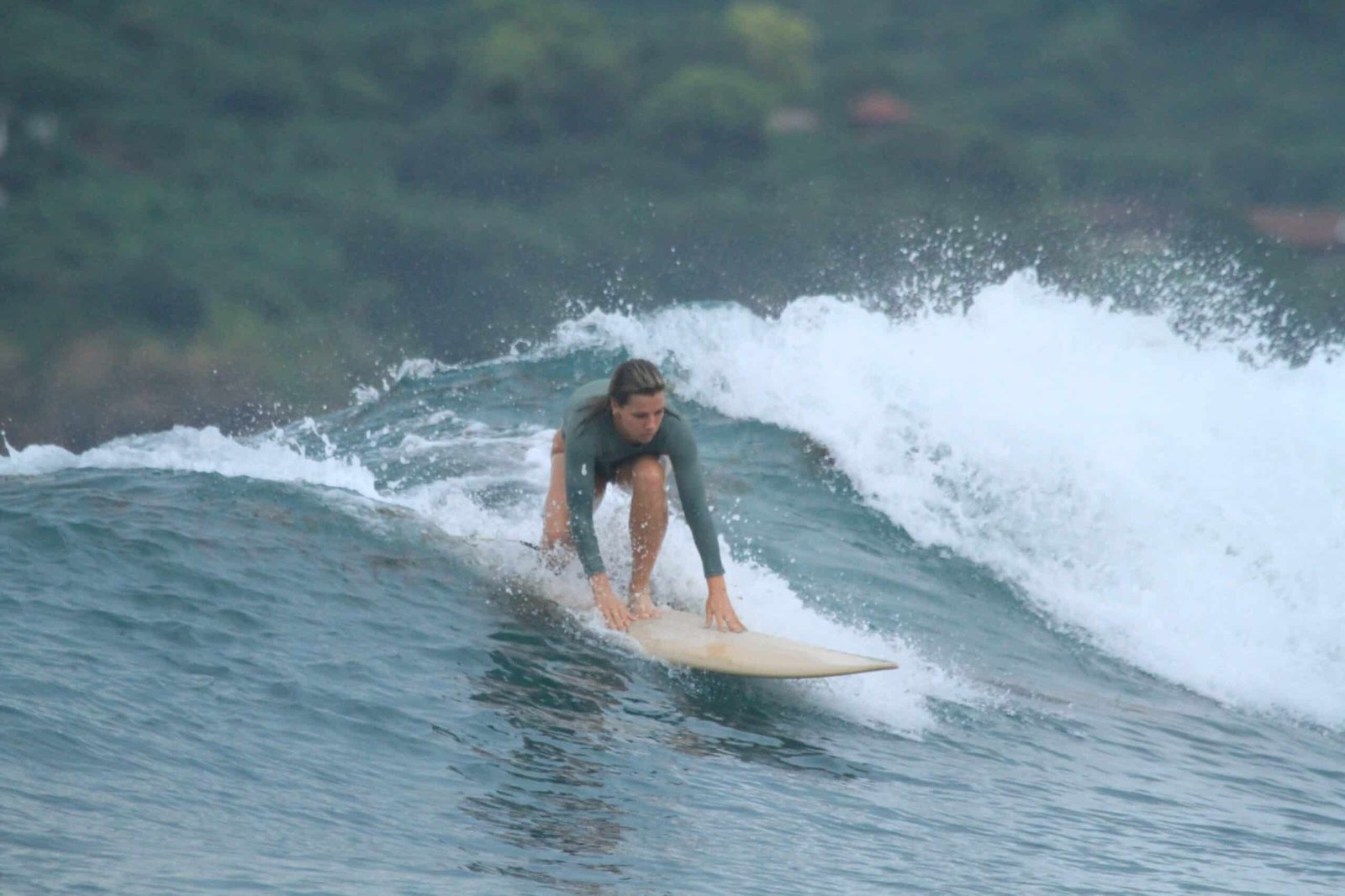
If you are intermediate and want to progress: either, depending on the day. Te Arai if the swell is small or you want consistency. Mangawhai Beach if there is a clean 1 to 1.5m NE running and you want a slightly more demanding peak. Save the river bar for when you are confident in rips and ready for waves that close out hard if you mistime them.
If you are advanced and want a proper session: Mangawhai bar, when the bank is good. Check the bar at low tide from the clifftop walk before you paddle out. If it looks like a proper channel with a steep bank, it is going to be good. If it looks flat, the beach to the north is better value.
If the wind has gone NE in the afternoon and Te Arai is messy: Forestry, just south of Te Arai Point. The pine trees block the NE breeze and you will often find cleaner conditions there for the last hours of the day.
Lessons and gear. Aotearoa Surf operates at both locations. Lessons at Te Arai are based at the shop at 11 Te Arai Point Rd, which also has board hire and accommodation. Mangawhai lessons run directly from the beach. If you are doing a multi day trip, the Surf Lodge in Mangawhai Heads village is a good base, and you can drive down to Te Arai easily for an extra session. Wetsuit. Same for both spots: 3/2mm October to April, 4/3mm May to September. The water is the same temperature, but the wind exposure differs slightly. Mangawhai Heads is more sheltered from southerlies by the topography. Te Arai is more exposed. Pack the same gear for either. The honest summary. If you have one day, Te Arai is the safer bet for actual waves. If you have three days, do both: Te Arai for a learning session or a consistent surf, Mangawhai when the bar is on or the beach peaks are showing. They complement each other, which is part of why this stretch of Northland coast is one of the more rewarding places to base a surf trip.