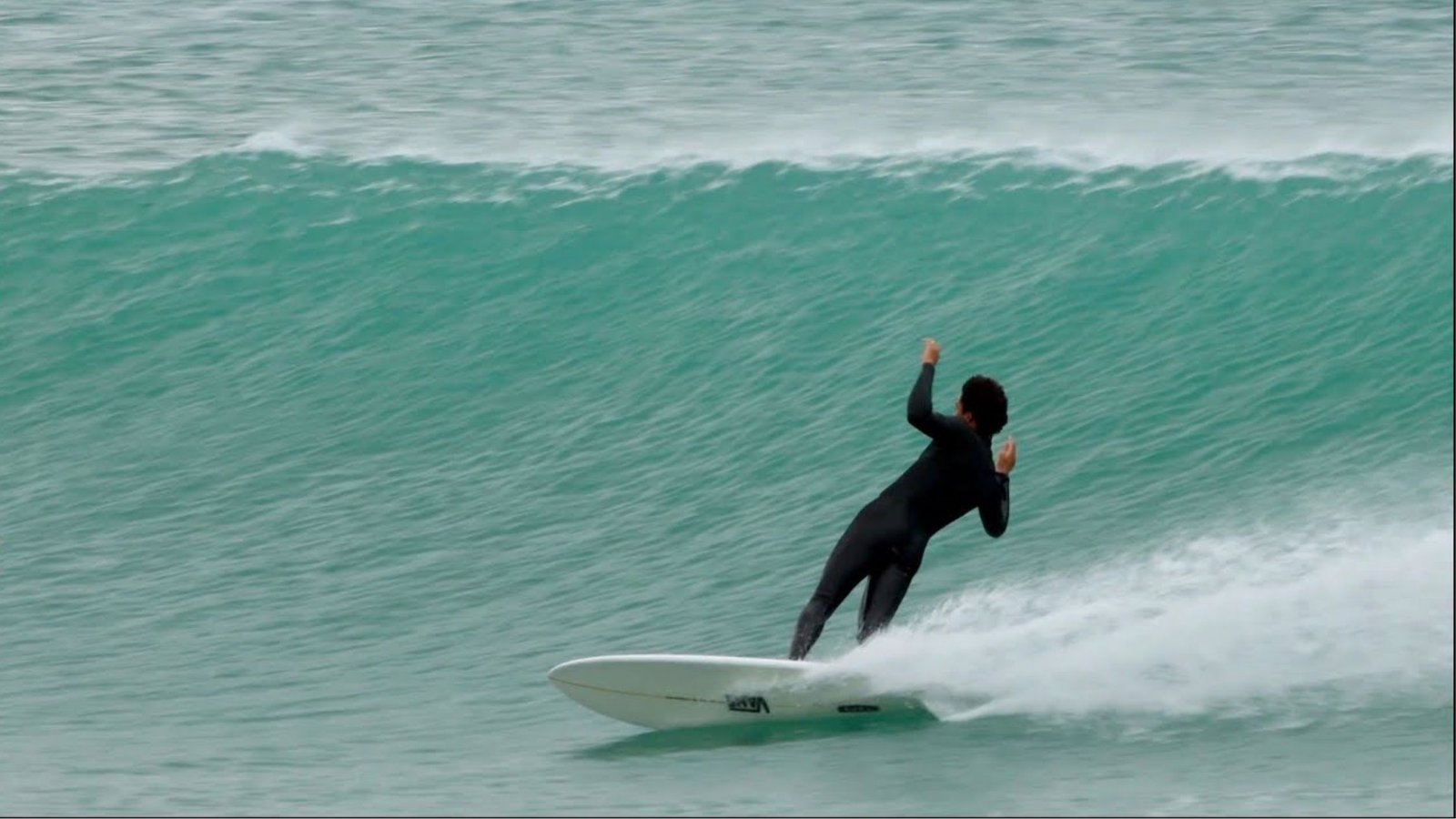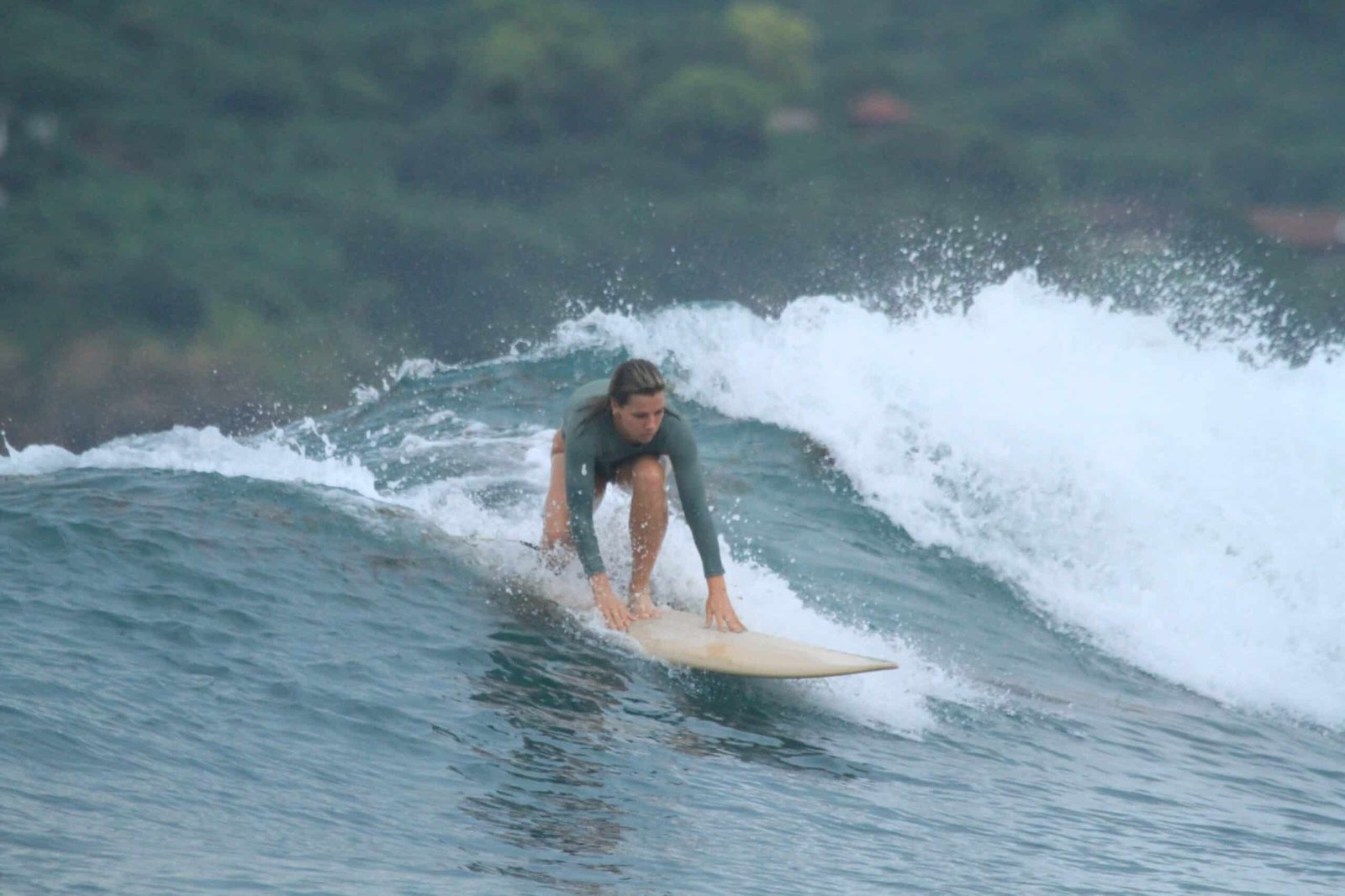
Piha is the most photographed surf beach in Auckland and the one most beginners drive to first. That second part is a problem. Piha is genuinely a great wave under the right conditions, but those conditions are narrow, and on most days the beach is rougher than the photos suggest. Knowing when to make the drive and when to stay east will save you a wasted day and a serious paddle out.
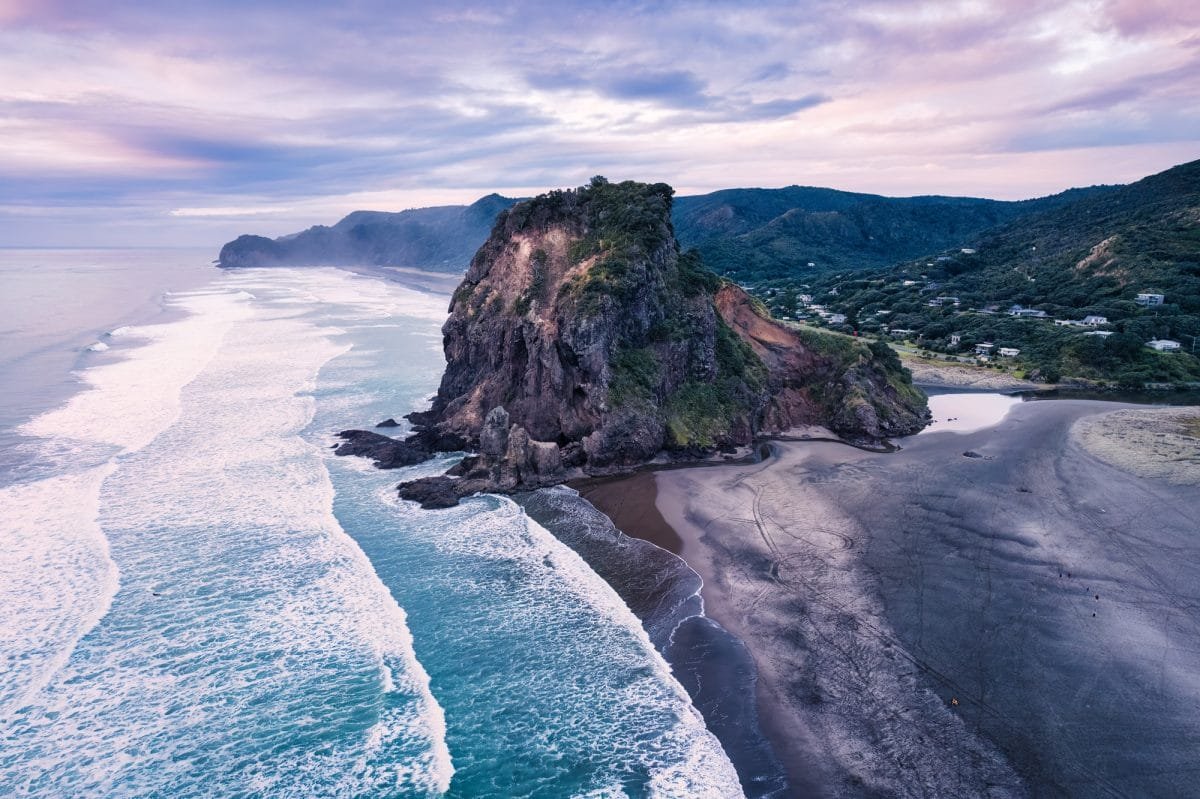
The geography. Piha sits on Auckland's west coast, 45 minutes from the CBD over the Waitakere Ranges. Lion Rock, a volcanic monolith, divides the beach into two bays. South Piha runs from Lion Rock down to the southern headland. North Piha extends north toward Whites Beach and faces slightly more west. The two bays surf differently and respond to slightly different conditions, which is part of why some experienced locals will paddle out at one and not the other on the same day. When it actually works. Piha needs a SW groundswell. Not a windswell. A clean, longer period SW that has wrapped up from the deep Tasman. Combine that with light east winds (offshore for the entire west coast) and you have the setup. Add a low tide rising for South Piha or a high tide for North Piha, and the beach delivers some of the most rideable beach break waves in New Zealand. Long open faces, hollow sections, genuine Tasman power. When it doesn't. Onshore winds, which here means anything with a west in it, turn Piha into a mess in a couple of hours. Short period wind swells produce closeouts rather than peeling waves. Big swells (over 2.5m) shut down most of the channels and produce the rips that drive the rescue numbers up. The same beach that looks like a postcard at 1.5m and east wind looks like an ocean threat at 3m and any wind. South Piha. The most defined breaks of the two bays. The reliable left peels off the southern headland, and at 1.5 to 2m with light east winds it links up clean for a hundred metres or more. Peaks along the rest of South Piha shift with the sand, producing lefts and rights depending on the swell angle. South is generally more crowded than North because the wave quality is higher when conditions align. North Piha. Faces more northwest and picks up swells that South misses. Punchy peaks rather than long peelers. Strong rip channels run beside Lion Rock and at the north end of the beach. Bigger water than South in most conditions, and more isolated. Use the rip channels to paddle out efficiently, but understand them first. Letting a channel rip carry you out is intermediate and above technique. If you don't know how to spot the difference between a paddle out channel and a sweep, do not paddle out at Piha. The 100-rescues number. Piha records over 100 rescues every year, and most of them are people who underestimated the conditions or didn't understand the rips. The beach is patrolled by Piha Surf Club in summer, with swim flags marking the safer water. If you are not confident in west coast conditions, swim and surf between the flags. This is not a beach where the ocean meets you halfway. For beginners and anyone building confidence. Piha is not the move, and the west coast in general is not the move while you are working on the basics. If you are still building confidence and the forecast shows anything over 1 metre on the west coast, go east. Orewa is 60 minutes east of central Auckland and has consistent, forgiving beach break in patrolled water. Te Arai is 90 minutes north and has the same calibre of beginner wave in a less busy setting. Both are friendlier conditions, golden sand, and a much better environment to build real ocean skills. Come back to Piha when you can read a rip current at a glance and time a paddle out without thinking about it. For intermediates and above. Time your drive around the SW plus east combination. Check the forecast for swell direction more than swell size. A 1.5m SW with east is far better than a 2.5m W with anything in it. Park early or park after 3pm because the carpark fills, and walk the beach before paddling to find the cleaner peaks. Watch the experienced surfers for two or three minutes. Where they sit, why they sit there, and how they get out to the lineup will tell you most of what you need to know. Practical notes. Black sand absorbs heat and gets dangerously hot on summer afternoons. Wear jandals to and from the car. Parking is limited and fills before 8am on good surf days. The drive in from Auckland takes about 45 minutes but the road is winding, particularly the final stretch through the Waitakeres, so allow time. Weather on the west coast can turn fast. Wetsuit. 3/2mm in summer, 4/3mm from April through October. The west coast feels colder than the water temperature suggests because of wind exposure. Pack thicker if you would rather not cut a session short. The honest summary. Piha is a proper wave when the conditions line up, and a beach that punches above its photogenic reputation in the wrong ones. If you are experienced and the forecast shows SW with east, go. If you are still learning, go east. The waves at Orewa and Te Arai are not as celebrated, but they are the right place to actually progress.Piha gets a lot of attention as the face of Auckland's surf, but it only works properly under specific conditions. Here's how to read it, and when to drive there or stay east.
Tags
PihaAuckland westLion Rockrip currentswest coastSW swelladvanced spotbeginner safety